Preserving Fruits and Vegetables Through Dehydration
A Complete Guide by Korganics
In today’s fast-paced world, finding ways to preserve the freshness and nutrition of fruits and vegetables is more important than ever. One of the oldest and most effective methods is dehydration—a natural process that removes moisture while retaining flavor, nutrients, and shelf life. At Korganics, we believe in sustainable, healthy food practices, and dehydrated produce perfectly aligns with that vision.
What is Dehydration?
Dehydration is the process of removing water content from fruits and vegetables. Since moisture is the main cause of spoilage, removing it significantly slows down the growth of bacteria, yeast, and mold.
This results in foods that are:
- Long-lasting
- Lightweight and easy to store
- Rich in concentrated flavor
- Convenient for everyday use
Why Choose Dehydrated Fruits and Vegetables?
1. Extended Shelf Life
Fresh produce can spoil within days, but dehydrated foods can last for months or even years when stored properly.
2. Nutrient Retention
When done correctly, dehydration preserves most vitamins, minerals, and antioxidants—making it a healthy alternative to processed snacks.
3. Zero Waste Approach
Dehydration helps reduce food waste by preserving surplus or seasonal produce.
4. Convenience & Portability
Perfect for busy lifestyles, travel, or outdoor activities—no refrigeration needed!
Popular Dehydrated Products
At Korganics, we focus on creating clean, chemical-free dehydrated products such as:
- Dehydrated Fruits: Mango, banana, apple, pineapple, and berries
- Dehydrated Vegetables: Tomato, carrot, spinach, beetroot, and onion
- Herbs & Greens: Mint, coriander, and curry leaves
These can be used in snacks, smoothies, soups, curries, and even baking.
The Dehydration Process at Korganics
We follow a careful and hygienic process to ensure quality:
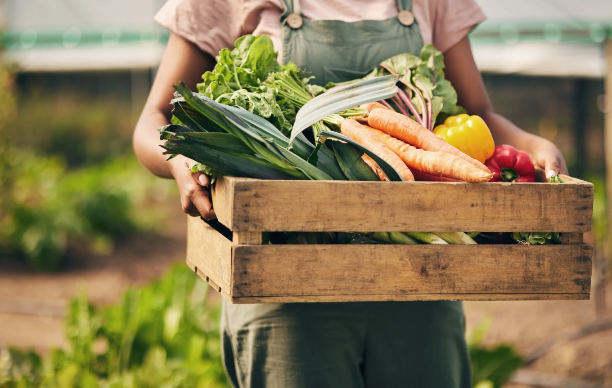
- Selection of Fresh Produce
Only the best, farm-fresh fruits and vegetables are chosen. - Cleaning & Preparation
Thorough washing, peeling, and slicing for uniform drying. - Controlled Drying
Using low-temperature dehydration techniques to preserve nutrients and natural color. - Packaging
Airtight, eco-friendly packaging to maintain freshness and extend shelf life.
How to Use Dehydrated Foods
Dehydrated fruits and vegetables are incredibly versatile:
- Snack on dried fruits as a healthy alternative to junk food
- Add vegetables directly to soups, noodles, or rice dishes
- Rehydrate by soaking in water before cooking
- Blend into powders for smoothies and health drinks
Storage Tips
To maximize shelf life:
- Store in airtight containers
- Keep in a cool, dry place
- Avoid direct sunlight and humidity
Sustainability & Health – The Korganics Promise
At Korganics, we are committed to:
- Chemical-free processing
- Minimal waste production
- Supporting local farmers
- Delivering nutrient-rich, natural food products
Dehydration is not just a preservation method—it’s a step toward a more sustainable and healthier lifestyle.
Final Thoughts
Dehydrated fruits and vegetables are a smart, eco-friendly solution for modern food challenges. They offer convenience without compromising on nutrition or taste. Whether you’re looking to reduce waste, eat healthier, or simplify your kitchen routine, dehydrated foods are a perfect choice.
Explore the goodness of naturally preserved foods with Korganics—where health meets sustainability.
Leave a Reply